About Acetone Chemical
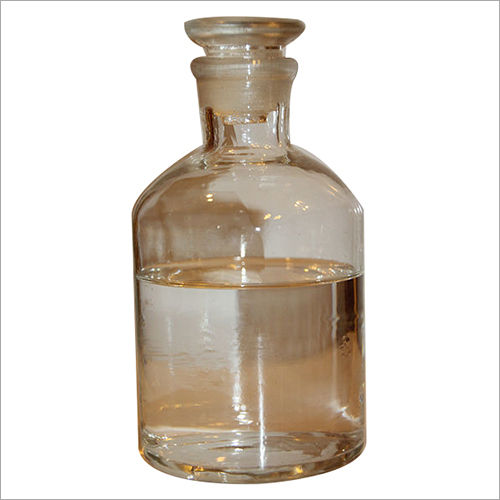
Acetone Chemical is a transparent organic class organic liquid which can be used in various industrial and commercial applications. It is volatile and flammable in nature with a mint like characteristic odor. This compound has a chemical formula of C3H6O with an average molar mass of grams per mol. It is less dense than water with a density nearly equal to 0.784 grams per cubic centimeters at a temperature of 25 degree Celsius. Due to its flammability Acetone Chemical is highly incompatible with substances like oxidizers and acids.
Versatile Industrial ApplicationsAcetone serves as an essential solvent and cleaning agent in numerous industries, including chemical manufacturing, pharmaceuticals, and cosmetics. Favored for its ability to dissolve a wide range of substances, acetone is not only utilized in production processes but also plays a critical role in laboratory cleaning and degreasing tasks. Its miscibility with water and organic solvents enhances its effectiveness across diverse applications.
Safe Handling and Storage GuidelinesDue to its high volatility and flammability, acetone requires careful handling. It should be stored in cool, well-ventilated areas away from ignition sources. Adherence to safety regulations, including proper labeling and the use of approved containers such as drums and IBC totes, is vital for safe storage and transport. Regular checks should be applied to prevent leaks or exposure to open flames.
FAQ's of Acetone Chemical:
Q: How should acetone be safely handled and stored?
A: Acetone should be handled with care, using appropriate protective equipment in well-ventilated environments. Store it in a cool, well-ventilated area away from open flames, sparks, or heat sources in approved containers like 160 kg drums or IBC totes.
Q: What are the primary uses and benefits of acetone in industry?
A: Acetone is widely used as a powerful solvent and cleaning agent in chemical laboratories, pharmaceuticals, cosmetics, and manufacturing processes. Its benefits include high volatility for rapid drying and compatibility with water and organic solvents, enabling effective cleaning and synthesis.
Q: When should acetone be used as a cleaning or degreasing agent?
A: Acetone is suitable for use when rapid evaporation and residue-free cleaning are required, such as cleaning lab glassware, degreasing metal parts, or removing contaminants from surfaces before coating or painting.
Q: Where can acetone be supplied from in India, and in what packaging options?
A: Acetone is distributed, manufactured, and supplied throughout India by various traders and distributors. It is available in 160 kg drums, bulk tankers, and IBC totes, catering to different industrial and commercial needs.
Q: What is the process for using acetone as a raw material in chemical production?
A: Acetone is integrated into chemical processes as a solvent or precursor. In production, it is mixed with specific reagents or compounds to synthesize new chemicals, polymers, or active pharmaceutical ingredients, due to its strong solvency and reactivity.
Q: What precautions should be taken during acetone transportation?
A: Being classified as a UN 1090 Class 3 flammable liquid, acetone must be transported in properly labeled, secure containers. Vehicles carrying acetone should comply with hazardous material transport regulations to minimize the risk of spills, leaks, or fires.
Q: What environmental considerations are associated with acetone usage?
A: As a volatile organic compound (VOC), acetone can contribute to air pollution if not managed properly. Ensure good ventilation during use to reduce vapor release and follow environmental guidelines for disposal and spill management.
 Send Inquiry


 Send Inquiry

 Send Inquiry