About Nitric Acid
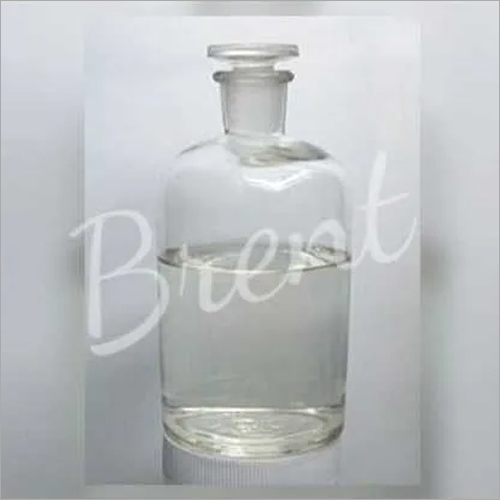
Owing to our rich industry experience and knowledge of this domain, we provide Nitric Acid, that can be used in the production of ammonium nitrate and calcium ammonium nitrate. Our offered Nitric Acid can be availed in various packaging options by our renowned customers. For the production of ammonium nitrate for fertilizers, making plastics, and in the manufacture of dyes, this chemical has gained huge demand.
Superior Industrial-Grade AcidOur Nitric Acid meets stringent industrial-grade standards, with a 60%% purity that ensures reliable performance in diverse applications such as fertilizers, nitrate salt manufacturing, metal processing, and laboratory use. Its efficacy is underscored by consistent results and trusted for critical reactions as an oxidizer and reagent.
Safe and Secure PackagingTo ensure safe transportation and handling, Nitric Acid is supplied in durable HDPE drums or carboys. These containers are crafted to withstand the highly corrosive nature of the acid and prevent decomposition by limiting light exposure, thus maximizing product stability and efficacy during storage.
Applications Across IndustriesWidely used in manufacturing, metal finishing, fertilizer production, and laboratory settings, Nitric Acid serves as an essential reagent, oxidizer, and raw material for numerous chemical syntheses. Its versatility as a strong inorganic acid makes it invaluable to industries requiring precision and reliability.
FAQs of Nitric Acid:
Q: How should Nitric Acid be stored to maintain its stability?
A: Nitric Acid should be stored in a cool, well-ventilated area away from direct sunlight and incompatible substances. Use only HDPE drums or carboys to minimize exposure to light and prevent accidental reactions, as the acid decomposes when exposed to light.
Q: What are the main industrial uses of Nitric Acid?
A: Nitric Acid is used extensively in fertilizer production, nitrate salt manufacturing, metal processing, and as a laboratory reagent. Its strong oxidizing properties make it essential in these applications for efficient chemical reactions.
Q: When does Nitric Acid decompose, and how can this be prevented?
A: Nitric Acid decomposes in the presence of light, leading to loss of strength and yellowing of the liquid. To prevent decomposition, always store it in opaque, tightly sealed HDPE containers and keep it away from sources of light.
Q: Where can Nitric Acid supplied in HDPE drums be sourced in India?
A: Nitric Acid in industrial-grade packaging can be sourced from reputable distributors, manufacturers, suppliers, or traders across India. Ensure your supplier provides the acid in certified HDPE drums or carboys in compliance with safety regulations.
Q: What is the manufacturing process of Nitric Acid?
A: Nitric Acid is produced via the Ostwald process, which involves the catalytic oxidation of ammonia using air. This method yields high-purity acid suitable for industrial and laboratory applications.
Q: How is Nitric Acid beneficial in laboratory settings?
A: In laboratories, Nitric Acid acts as a powerful reagent for qualitative and quantitative analyses. Its strong oxidizing nature facilitates preparation of nitrates and contributes to reliable experimental outcomes.
Q: What precautions should be taken when handling Nitric Acid?
A: Always wear suitable personal protective equipment, including gloves and goggles, as Nitric Acid is highly corrosive and can cause severe burns. Avoid inhaling fumes, and make sure the area is well-ventilated during handling to ensure safety.
 Send Inquiry


 Send Inquiry

 Send Inquiry