About Phosphoric Acid
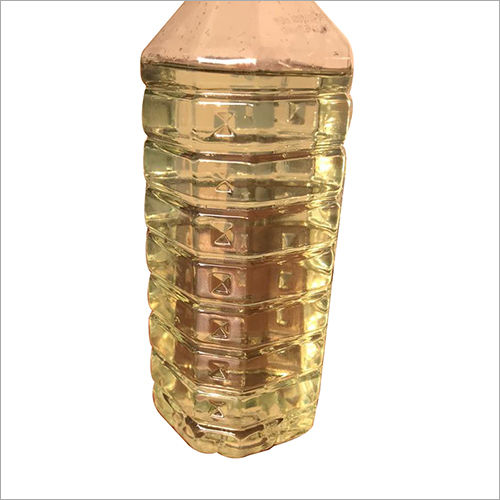
Phosphoric Acid belongs to the class of weak acids which can be used in various industries such as food, pharmaceutical, agriculture, anti-freezing and many more. It is corrosive in nature and may cause severe eye and skin damages on contact hence it is advised to handle it with extra care. Phosphoric Acid physically appears as a colorless to pale yellow liquid with a density of 1.6845 grams per cubic centimeters at 25 degrees Celsius. It is soluble in water and other solvents such as ethanol.
High-Quality Composition for Versatile UseThis industrial-grade phosphoric acid is formulated with a purity of 85%%, making it suitable for various applications including food processing, fertilizer production, technical processes, and water treatment. Its stable composition and consistent quality ensure reliable results across industries.
Safe Handling and Storage RecommendationsPhosphoric acid should be stored in a cool, well-ventilated area, away from incompatible substances such as strong bases and metals due to its corrosive nature. Its packaging in HDPE drums or IBC tanks ensures safety during transport and storage. Adhering to proper storage extends its shelf life to 24 months.
Exceptional Performance and Regulatory ComplianceWith a molecular weight of 98.00 g/mol and a refractive index of 1.433, this acid remains stable under normal conditions and is non-flammable. It meets international standards (UN 1805, HS Code 280920) and is suitable for use as a food additive, ensuring safety and efficacy for industrial and commercial applications.
FAQs of Phosphoric Acid:
Q: How should phosphoric acid be stored to maintain its quality?
A: Phosphoric acid should be kept in a cool, ventilated location, away from incompatible materials such as metals and strong bases due to its corrosive properties. Use HDPE drums or IBC tanks for storage, and ensure containers are tightly sealed to preserve product quality for up to 24 months.
Q: What are the main uses of phosphoric acid in industry?
A: Phosphoric acid serves multiple industries, including fertilizers (as a key nutrient source), food processing (as an additive and acidity regulator), technical applications such as etching agents in electronics, and as a water treatment chemical to prevent scaling and corrosion.
Q: When is phosphoric acid most effective in water treatment or food applications?
A: Phosphoric acid exhibits optimal performance when used according to industry guidelines and dosagesits high purity (85%%) ensures efficacy whether adjusting pH in water treatment or acting as an acidulant in food. It should be applied under controlled conditions for best results.
Q: Where can this phosphoric acid be sourced in India?
A: This product is available through manufacturers, distributors, suppliers, and traders throughout India. It is typically packaged in HDPE drums and IBC tanks for easy shipping and handling.
Q: What benefits does phosphoric acid offer over other acids for industrial applications?
A: Phosphoric acids high stability, non-flammability, miscibility with water, and broad compatibility with various processes make it a versatile choice. Its sour taste and odorless nature also suit food applications without imparting off-flavors or odors.
Q: How should phosphoric acid be handled safely during usage?
A: Handle phosphoric acid with appropriate personal protective equipment such as gloves, goggles, and chemical-resistant clothing. Due to its corrosivity to tissue and metals, any spills should be cleaned promptly, and the substance should only be managed in well-ventilated areas.
Q: What is the process of manufacturing industrial-grade phosphoric acid?
A: Industrial phosphoric acid is typically produced using phosphate rock as the raw material through a digestion process with sulfuric acid. The resulting solution is then filtered, concentrated, and purified, yielding a product that is miscible with water and fit for a wide range of industrial applications.
 Send Inquiry


 Send Inquiry

 Send Inquiry